
Why do so many email campaigns look busy but produce so little revenue?
The problem usually is not the copy. It is the sequence behind it. Drip campaigns work when they respond to behavior, match the reason someone joined your list, and push that person toward one clear next step.
I've seen entrepreneurs waste months polishing newsletters while ignoring the lifecycle emails that drive clicks, replies, trials, and sales. That mistake shows up across FBA brands, affiliate sites, course businesses, and niche media properties. The business model changes. The buying journey does not. People act when the email arrives at the right moment and gives them a useful next move.
For digital entrepreneurs, this is where automation starts pulling its weight. A welcome sequence can turn cold subscribers into qualified leads. An onboarding flow can reduce refund risk and support volume. A win-back series can recover attention you already paid to earn. The payoff is not just saved time. It is a business that keeps converting after you log off.
That also means generic swipe files only get you so far. An Amazon seller needs different triggers than an affiliate marketer. A course creator needs different follow-up than a software founder. EntreResource readers need a playbook built for those realities, not recycled ecommerce advice written for every business and none in particular.
If you are still choosing your stack, this list of email marketing software for online businesses helps you match the tool to the type of sequence you want to run.
Below are nine drip campaign examples I would build first. Each one is practical, adaptable, and built around how modern digital businesses get customers to move.
1. Welcome Series for New Email Subscribers
Your welcome series sets the tone for every email that follows. If the first impression feels vague, slow, or self-centered, subscribers stop caring before you ever make an offer.
A strong version is short, focused, and tied to the signup reason. If someone downloaded an affiliate checklist, don't open with your life story. Deliver the asset, explain what to do next, and point them toward the next small win.
What this looks like in practice
For creators using ConvertKit, this often starts with immediate delivery of the promised resource, then shifts into belief-building and light segmentation. A Shopify educator might welcome new store owners with setup guidance. HubSpot Academy-style flows do this well too. They don't just greet people. They orient them.
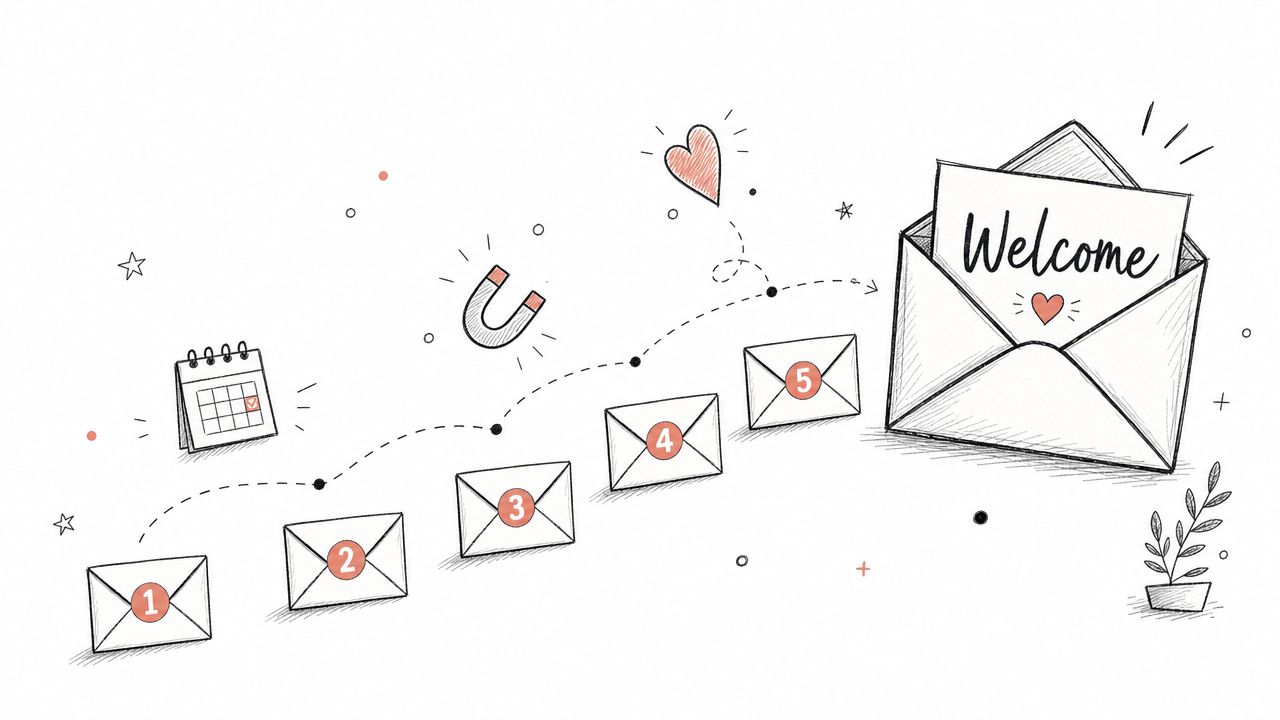
For an EntreResource-style business, I'd structure the first few emails around intent:
- Email 1: Deliver the lead magnet and tell them what to expect.
- Email 2: Share one story that connects your mission to a real business model, like FBA, affiliate publishing, or content monetization.
- Email 3: Show a practical use case so the subscriber can picture themselves taking action.
- Email 4: Introduce your best evergreen resource or newsletter.
- Email 5: Ask for a click that segments interest.
What works and what fails
A typical drip campaign often runs roughly 10 days to one month, with 4 to 11 emails spaced a few days apart. For welcome sequences, I usually prefer the shorter end. You're not trying to explain your whole company. You're trying to earn the next open.
Practical rule: Deliver the promised thing fast, then earn attention email by email. Don't front-load your sequence with branding language nobody asked for.
One more point. Tools matter less than logic, but they still matter. If your platform can't segment, trigger, and branch cleanly, you'll outgrow it. EntreResource has a useful roundup of email marketing software options if you're choosing a stack.
2. Educational Nurture Campaign for Niche Site Builders
Why do so many niche site builders join an email list, read two emails, and disappear? In my experience, the sequence usually breaks in one of two places. It either stays too theoretical, or it teaches so much at once that the reader never applies anything.
Educational nurture works best for subscribers who are still shaping their model. That includes affiliate publishers choosing between SEO and review content, FBA sellers building a content moat around product demand, and course creators testing whether a niche has enough pain points to support an offer. They do not need generic motivation. They need ordered lessons that help them make one good decision at a time.
A better structure for builders
The strongest version of this sequence feels like a guided build, not a stack of disconnected tips. Good education emails create momentum because each message answers the question the last one raised.
For a niche-site audience, I'd usually structure the sequence like this:
- Foundations: Niche selection, business model fit, and realistic expectations.
- Validation: Search intent, topic depth, monetization potential, and competitive pressure.
- Content plan: Site architecture, article types, keyword grouping, and publishing order.
- Monetization path: Affiliate offers, display ads, lead generation, digital products, or a future course.
That progression matters. A new affiliate marketer should not get monetization tactics before they know whether the niche deserves six months of content. An FBA seller using content to support product research should not get a generic blogging lesson when they really need to connect search behavior to product demand. Course creators need nurture that shows audience pain, not just traffic strategy.
Clear transitions help here. If one email ends with niche validation, the next should open by showing how validation changes the content plan. That keeps the sequence feeling intentional instead of stitched together.
Where entrepreneurs go wrong
The common failure is over-teaching. A nurture sequence is not a free course dumped into the inbox. It is a guided path that builds trust, gets small wins, and shows the reader where your paid help saves time.
Shorter sequences usually perform better for this kind of education because they force discipline. If the topic needs more room, break it into separate automations triggered by clicks or tags instead of forcing every subscriber through a long lesson track.
I use a simple rule. One email, one lesson, one action.
That action can be a niche scorecard, a content audit, a monetization check, or a short prompt that gets the subscriber to commit to a direction. Readers stay engaged when they can finish the step in minutes. They stall when every email feels like homework.
If you sell a course, consulting package, or done-with-you service, teach enough to produce progress and expose the next constraint. That is the real trade-off. Give too little and you sound vague. Give too much and the subscriber gets buried in options. The middle ground is what converts.
If you want a practical example of how to map those lessons into an actual email flow, EntreResource's Creating a Sequence course page is relevant to this kind of build.
3. Product Launch Campaign for New Course or Resource
What makes a launch email sequence sell without sounding desperate?
Usually, it comes down to timing and message control. Entrepreneurs get into trouble when they start with vague teaser copy, hold back the actual offer too long, then flood the list with deadline emails. That pattern burns trust fast, especially if the audience just came through a nurture sequence that taught them to expect useful, specific guidance.
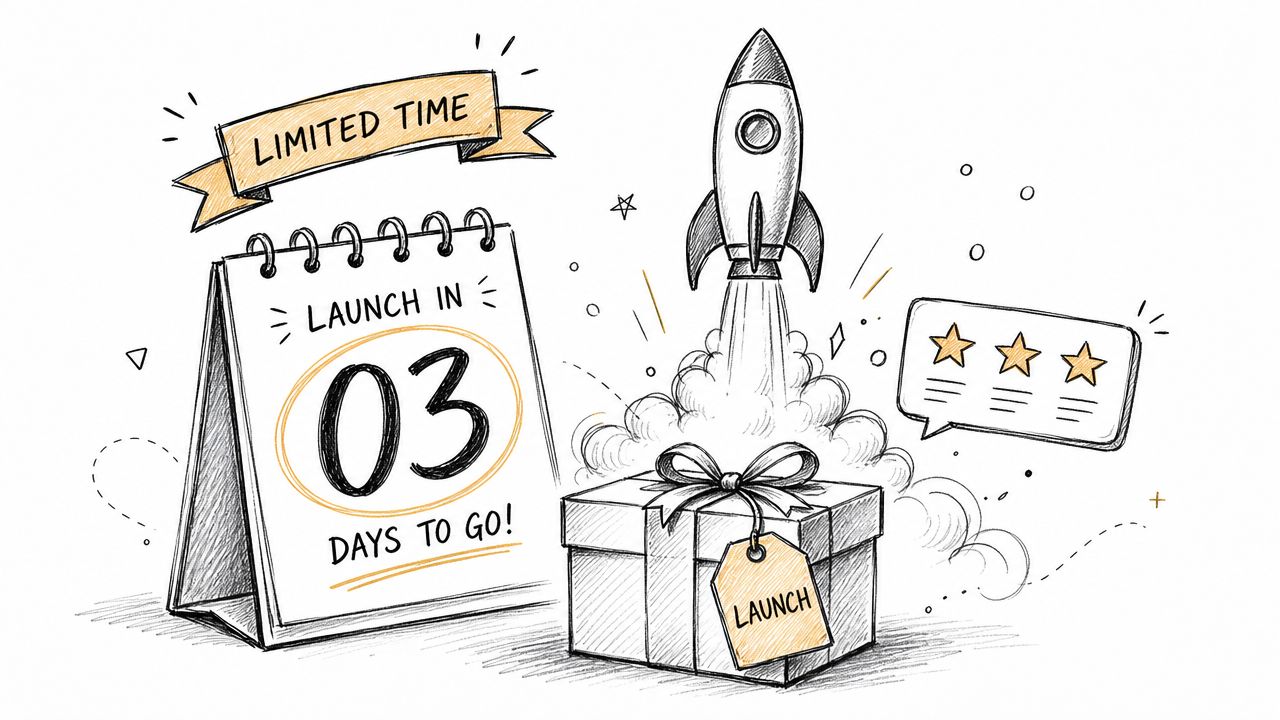
A launch sequence should feel like the natural next step after validation and education. The subscriber already understands the problem. Now the job is to show why this product solves it better, faster, or with less waste than piecing together free advice.
For modern digital entrepreneurs, that means the launch has to match the business model. An FBA seller evaluating a sourcing tool or training wants proof that it improves product selection and margin decisions. An affiliate marketer wants to know whether the resource helps with traffic, conversions, or offer selection. A course creator buying a system or template pack wants clarity on implementation time, not broad promises.
The strongest launch rhythm
Segmentation matters more in launch campaigns than almost anywhere else. A buyer of a previous course should not get the same sequence as a new subscriber who only clicked one email. Someone who watched a webinar or joined a waitlist has already signaled intent. Send a more direct offer. Someone who only engaged with educational content may need more context, examples, and objection handling first.
A clean launch arc usually looks like this:
- Teaser email: Name the specific problem and who it affects.
- Shift email: Explain why common fixes fall short.
- Reveal email: Show the framework, resource, or course and what it helps the buyer do.
- Offer email: Cover deliverables, fit, and pricing with no fluff.
- Objection email: Address time, complexity, ROI, and readiness.
- Deadline email: Remind readers when the offer closes, and why the deadline is real.
I keep these sequences short on purpose. Six focused emails usually beat a drawn-out launch that asks people to remember too many moving parts.
What actually persuades people
Specificity closes sales.
If the product is for Amazon sellers, say whether it helps with sourcing, listing optimization, inventory planning, or margin analysis. If the resource is for affiliate marketers, say whether it improves content production, funnel setup, email monetization, or offer testing. If the launch is for course creators, show how the product cuts setup time or improves student completion.
Launch emails fail when every message says “big news” and none say what the buyer will be able to do differently after purchase.
In practice, proof works better than hype. Beta-user anecdotes, screenshots, curriculum previews, onboarding walkthroughs, and direct answers to buyer objections all outperform inflated language. I have seen simple launch emails with one clear promise and one concrete example beat prettier campaigns that spent too much time building suspense.
The EntreResource approach fits well here. Sell the outcome, but respect the operator reading the email. Digital entrepreneurs do not need louder copy. They need a clearer decision.
4. Win-Back Campaign for Inactive Subscribers
Why do good subscribers go quiet? In my experience, it usually is not because email stopped working. It is because the message drifted away from the reason they joined in the first place.
A win-back campaign works best when it rebuilds relevance fast. Skip the “we miss you” guilt trip. Skip the automatic discount. Start by reconnecting the subscriber to the topic, problem, or business goal that originally got their attention.
That matters even more for digital entrepreneurs because inactivity means different things for different segments. An Amazon seller who used to click inventory planning content has different intent than an affiliate marketer who cared about traffic and monetization. A course creator who signed up for launch advice should not get the same reactivation email as either of them. The EntreResource approach is simple here. Treat old clicks as signals, not trivia.
I use a short structure for this kind of sequence:
- Email 1: Ask a direct interest question tied to the original topic.
- Email 2: Show what is new, better, or more useful since they last engaged.
- Email 3: Let them choose their lane with interest-based links.
- Optional final email: Offer a pause, reduced frequency, or unsubscribe option.
The key is specificity. If the subscriber came in through FBA content, reference sourcing, listing optimization, margins, or inventory headaches. If they came in through affiliate content, talk about funnels, content production, offer testing, or email revenue. If they joined as a course creator, focus on launches, student completion, or reducing setup friction. Broad “come back” messaging gets ignored because it asks the reader to do the work of figuring out whether anything is relevant.
For email businesses built around affiliate traffic, list quality falls apart when every inactive contact gets the same generic re-engagement copy. Segment by last clicked topic, last opt-in source, and whether the subscriber ever visited an offer page. If you want a good model for topic-to-offer alignment, this breakdown of how affiliate marketers can crush it with email is worth studying.
Keep the copy short. Cold subscribers scan. They decide in seconds whether the message matches a current problem, and if it does not, they move on.
One hard truth. Some subscribers should stay gone. If someone ignores a respectful re-engagement sequence, suppress them. An oversized list with weak engagement hurts decision-making, muddies testing, and creates deliverability problems you do not need.
5. Lead Magnet Delivery and Upsell Sequence for Affiliate Marketers
This sequence prints trust or burns it. There's rarely an in-between.
Affiliate marketers often collect leads with templates, checklists, swipe files, niche research sheets, or mini trainings. The problem starts when the lead magnet delivery email is clean, but every follow-up feels like a rushed sales pitch detached from the thing the person asked for.
The offer should feel like the next step
Email one should deliver the promised resource immediately. That part isn't negotiable. After that, your sequence should help the subscriber use the asset before you ask them to buy anything.
The best version of this flow looks like progressive enablement:
- Delivery: Give them the resource with a plain explanation of how to use it.
- Application: Show one example of the resource in action.
- Expansion: Reveal the limitation of doing only that piece.
- Offer: Present the paid solution as the practical next move.
- Support: Answer questions and reduce friction.
This is especially effective for affiliate marketers because the jump from “free checklist” to “full system” is easy to understand when you frame it as depth, not bait-and-switch.
Where affiliate marketers lose the sale
They pitch products with no bridge. A niche research checklist doesn't naturally sell a general copywriting course. The upsell has to stay tied to the original problem.
If the magnet helps someone validate a niche, the paid offer might help them build the site, create the content architecture, or monetize the traffic. That's coherent. Anything else feels opportunistic.
Field note: The fastest way to kill an upsell sequence is to make the free resource feel complete in one email, then ignore it completely in the next.
For readers building this model around offers, templates, or partner products, EntreResource has a relevant guide on how affiliate marketers can crush it with email.
6. Customer Onboarding Sequence for Course or Software Tool
What happens right after someone buys your course or signs into your software for the first time?
That answer usually determines whether you get an active customer or a quiet refund, cancellation, or chargeback a few weeks later. I have seen this play out across education products, SaaS tools, and member communities. The businesses that keep customers do not send a vague welcome email and hope people click around. They guide the first win.
For onboarding, opens matter less than activation. A key question is whether the customer completed the action that makes the purchase feel useful.
For a course, that milestone might be finishing lesson one, posting a first assignment, or setting up the core framework. For a software tool, it might be connecting an account, importing data, launching the first campaign, or inviting a team member. FBA sellers, affiliate marketers, and course creators each need a different path, but the principle stays the same. Show the fastest route to a result that proves the product was a good decision.
Build the sequence around one milestone
A strong onboarding drip answers four practical questions fast:
- Where do I begin?
- What should I ignore for now?
- What result can I get this week?
- How do I get help if I get stuck?
That second question gets missed all the time. New customers do not need a tour of every feature, module, bonus, and tab. They need a starting point with some judgment behind it.
I prefer onboarding emails that narrow the path instead of expanding it.
If you sell a course, the first email should confirm access and direct the buyer to one lesson or one action, not the whole curriculum. If you run a software product, segment by use case early. An affiliate marketer using your tool to build funnels should not get the same setup path as an Amazon seller trying to improve listing performance. A course creator launching a cohort program needs different prompts than a niche site builder testing traffic sources.
What this looks like in practice
A useful onboarding sequence often follows this order:
- Access email: login details, where to start, and one clear action
- Setup email: the minimum configuration needed to get value
- Quick-win email: the fastest result the customer can achieve
- Support email: how to ask questions, get feedback, or contact the team
- Momentum email: the next milestone after the first win
That structure works because it respects buyer psychology. Right after purchase, motivation is high but attention is limited. If the experience feels confusing, the customer stops engaging long before they complain.
Course creators especially run into this when they oversell transformation and underdeliver orientation. Software founders do the same when they introduce every feature before the user completes the first meaningful task. In both cases, the product may be good, but the sequence asks the customer to do too much interpretation.
The trade-off to accept
A shorter onboarding flow can feel incomplete to the team that built the product. It usually performs better anyway.
I would rather leave three advanced features for later than bury the one action that gets a customer moving. Breadth feels helpful internally. Clarity performs better in the inbox.
The biggest mistake here is assuming buyers will explore on their own. They usually do not. They bought because they wanted progress. Your onboarding emails need to make that progress obvious, specific, and hard to miss.
7. Engagement Re-Activation Through Content Value Drip
Not every drip campaign has to be triggered by a sale or signup event. Some of the most valuable ones create a dependable cadence that keeps your brand useful between major actions.
For content businesses, this can look like a weekly or bi-weekly value drip that holds attention until the subscriber is ready to buy, upgrade, or re-engage further.
Consistency beats complexity
Many entrepreneurs overbuild. They create an editorial machine that's impossible to sustain, then stop sending consistently. A lighter but reliable rhythm usually wins.
The U.S. Chamber's list of common triggers includes newsletter signups, which is why a content-based drip can still be highly intentional when it's connected to what subscribers asked for earlier. The key is relevance by cohort. FBA sellers should see different examples than bloggers. Affiliate marketers should see different angles than creators building courses.
I prefer recurring content drips with a stable structure:
- One practical tutorial or teardown
- One tool or workflow recommendation
- One industry development that matters
- One CTA that's useful but optional
How to keep it from becoming a newsletter nobody reads
A predictable format helps. So does a point of view. Readers don't need more links. They need curation with judgment.
If your audience follows EntreResource for online business execution, your content drip should reflect that. Less theory. More “use this when,” “avoid this if,” and “here's where the tactic breaks.” That's how you keep a list warm without turning every send into a promotion.
I also like featuring reader use cases occasionally. Not inflated testimonials. Just specific ways different business models applied an idea. That helps subscribers self-identify and keeps the content grounded.
8. Re-Engagement Campaign for Tool or Platform Free Trial Expiration
Free-trial sequences work best when they reflect actual product usage. A user who explored key features needs a different message than someone who barely logged in.
That's why these campaigns shouldn't be generic countdowns. They should connect what the user did during the trial to what they'll lose if they stop.
Usage-based messaging converts better than deadline-only emails
A practical sequence often starts before the trial ends, then continues briefly through expiration. If the tool serves multiple entrepreneur types, segment by intended outcome. An FBA seller may care about margin visibility or workflow efficiency. A blogger may care about content throughput. An affiliate marketer may care about process speed and tracking.
Cordial's examples highlight back-in-stock and win-back flows that move beyond email alone and promote SMS or MMS updates when email engagement drops, which reflects a broader shift toward cross-channel drip campaign design. That matters for free-trial campaigns too. If a user stopped opening emails but consented to SMS or app notifications, a channel switch can be more effective than repeated inbox reminders.
What to emphasize near expiration
Don't just say the trial is ending. Say what progress they've already made and what staying active would allow them to continue.
For heavier users, that usually means a premium upgrade pitch. For lighter users, it may mean a simplified path, a lower-friction plan, or direct help. The wrong move is blasting every trial user with the same “upgrade now” message regardless of behavior.
Belkins also warns against over-pushing sales content in re-engagement contexts, and that principle applies here. Pressure without context usually backfires. Relevance plus timing works better.
9. Re-Targeting Campaign for Website Abandoners and Cart Abandoners
Cart abandonment emails are easy to set up and easy to ruin. Most brands either send them too late or overload them with persuasion tactics all at once.
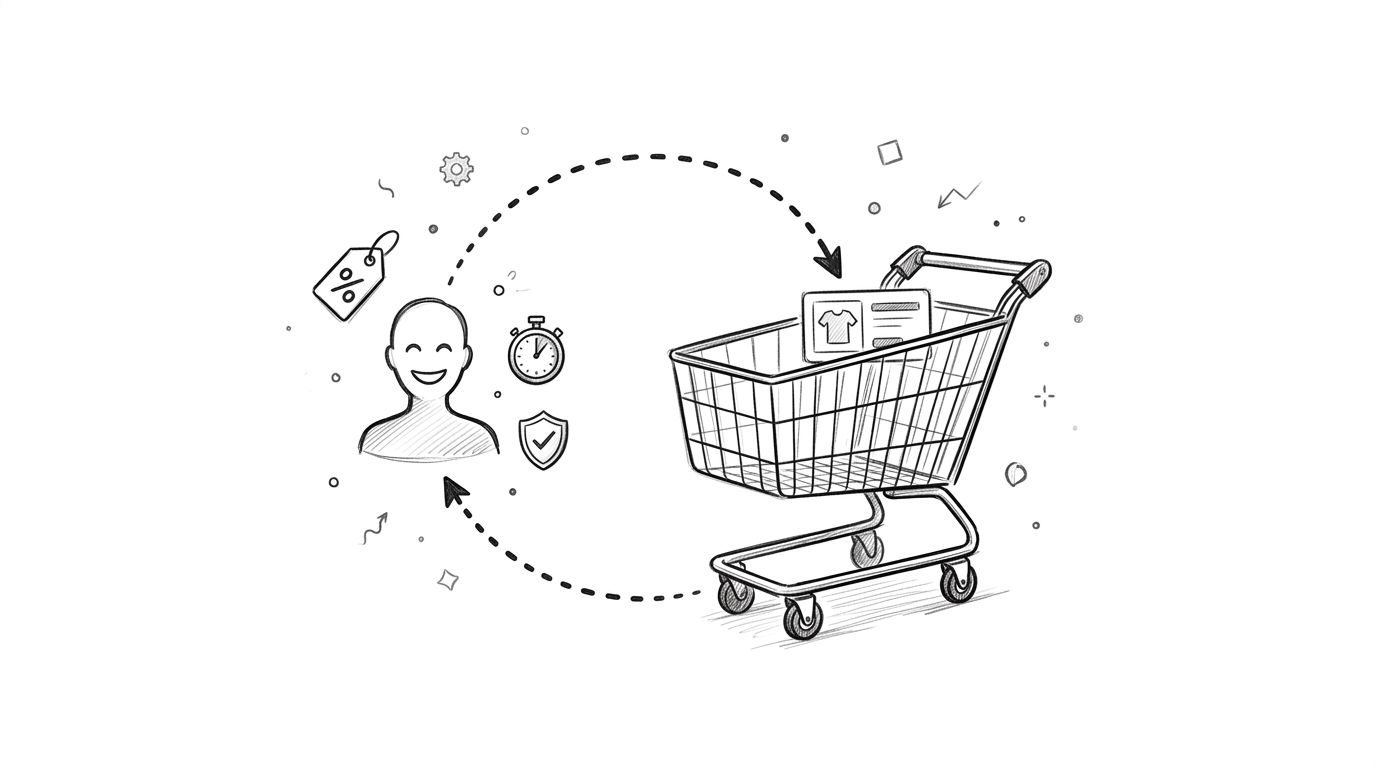
The best cart and browse abandonment flows are direct. They acknowledge the interrupted action, remove one or two key objections, and make it easy to return.
Triggered behavior always beats generic follow-up
This is one of the clearest examples of why drip campaigns emerged in the first place. Instead of sending one broad promotion to everyone, you react to a concrete event. Braze lists abandoned cart recovery as a core example, and the U.S. Chamber identifies cart abandonment as a common trigger in practice, which supports the broader behavior-first model noted earlier.
For service businesses and digital products, browse abandonment can matter almost as much as cart abandonment. Someone who visited your course sales page twice and watched part of a video may need a different follow-up than someone who added the product to cart.
A real estate example from Witei makes the broader pattern clear. It uses a saved search plus tag-based trigger to enroll leads automatically after actions like requesting information, visiting a property, or registering on a landing page, then follows with thank-you emails, related listings, and meeting or offer CTAs. Different market, same principle. Behavior starts the workflow.
What to send after abandonment
I usually prefer a short progression:
- First email: Remind them what they viewed or left behind.
- Second email: Address one likely objection.
- Third email: Add urgency only if it's real.
- Optional final email: Offer help or an alternate next step.
If the product is a course, answer concerns about time and implementation. If it's an ecommerce product, reinforce the fit, benefit, or guarantee. If it's a service, make the next action smaller, like booking a call instead of paying immediately.
Short copy wins here. The shopper already saw the offer. Your email's job is to restart momentum, not rewrite the sales page.
9-Point Drip Campaign Comparison
| Campaign | 🔄 Implementation Complexity | 💡 Resource & Tips | ⚡ Speed / Time-to-impact | 📊 Expected Outcomes & ⭐ Effectiveness | Ideal Use Cases |
|---|---|---|---|---|---|
| Welcome Series for New Email Subscribers | Moderate, automated signup trigger, segmentation | Moderate content effort; tip: deliver lead magnet immediately 💡 | Short (10–14 days) | 📊 Opens 40–50%, CTR 10–20%, conversion 5–10%, ⭐⭐⭐⭐⭐ | New subscribers; trust-building and onboarding |
| Educational Nurture Campaign for Niche Site Builders | High, long sequence, progressive modules, segmentation | High content creation (case studies, templates); tip: use worksheets 💡 | Medium (30–35 days) | 📊 Opens 35–45%, CTR 8–15%, purchase conversion 2–5%, ⭐⭐⭐⭐ | Mid-funnel education; authority building for niche site creators |
| Product Launch Campaign for New Course or Resource | High, coordinated timing, multi-touch, urgency mechanics | High coordination, creative assets; tip: test messaging pre-launch 💡 | Immediate/short (7–10 days) | 📊 Opens 40–55%, CTR 15–25%, conversions 5–15%, ⭐⭐⭐⭐ | Time-limited offers; generating concentrated revenue and buzz |
| Win-Back Campaign for Inactive Subscribers | Low–Moderate, simple triggers, segmented lists | Low content volume but needs strong creative; tip: offer multiple incentives 💡 | Short (14 days) | 📊 Opens 15–25%, CTR 2–5%, reactivation 1–3%, ⭐⭐ | Re-engaging subscribers inactive 60–90+ days |
| Lead Magnet Delivery & Upsell Sequence for Affiliate Marketers | Moderate, immediate delivery + upsell path per magnet | Moderate assets per magnet; tip: separate sequences per magnet 💡 | Short (12–14 days per magnet) | 📊 Email1 opens 45–60% then decay; conversion to paid 10–18%, ⭐⭐⭐⭐ | Affiliates delivering lead magnets and testing offers |
| Customer Onboarding Sequence for Course or Software Tool | High, product-specific flows, milestone triggers | High product knowledge and content; tip: send login within 1 hour 💡 | Medium (30 days post-purchase) | 📊 Opens 60–75%, CTR 15–25%, target completion 40–50%, ⭐⭐⭐⭐⭐ | Post-purchase retention; reducing support and refunds |
| Engagement Re-Activation Through Content Value Drip | Moderate, recurring cadence, consistent templates | Ongoing content production; tip: fixed template + schedule (weekly) 💡 | Ongoing (weekly/bi‑weekly) | 📊 Opens 25–35%, CTR 8–12%, low churn <0.5%, ⭐⭐⭐⭐ | Maintaining long-term engagement and sponsorship monetization |
| Re-Engagement Campaign for Trial Expiration | High, data integration, personalized triggers | High integration with product analytics; tip: quantify trial value with ROI calculator 💡 | Short (7–10 days spanning expiry) | 📊 Opens 35–50%, CTR 10–18%, trial-to-paid 15–25%, ⭐⭐⭐⭐ | Converting free-trial users to paid plans |
| Re-Targeting Campaign for Website/Cart Abandoners | Moderate–High, pixel/events + dynamic content | Technical setup + product data; tip: send first email within 1 hour 💡 | Very short (48–72 hours) | 📊 Opens 35–55%, CTR 15–25%, recovery conversion 5–15%, ⭐⭐⭐⭐ | Recovering high-intent shoppers and course buyers |
From Examples to Execution Your Next Steps
These nine drip campaign examples matter because they solve distinct business problems. One sequence turns strangers into engaged subscribers. Another moves a lead toward purchase. Another helps a buyer use what they paid for. When entrepreneurs say email “isn't working,” what they often mean is they never built the right lifecycle systems in the first place.
If you take only one lesson from this playbook, let it be this. Automation should follow behavior. That's the pattern behind the strongest drip setups across ecommerce, education, SaaS, and media businesses. Welcome flows respond to a signup. Onboarding responds to a purchase. cart recovery responds to an interrupted checkout. Win-back responds to silence. Once you start thinking that way, your campaigns become more useful and less noisy.
I wouldn't build all nine at once. That's how half-finished automations pile up. Build the sequence tied to your biggest bottleneck.
If you're growing a content brand, start with the welcome series and educational nurture. If you sell a course or software product, build onboarding before you build another launch. If your list is old and disengaged, fix re-engagement before adding more leads to the top of the funnel. If you run ecommerce or digital product offers, cart and browse abandonment should be near the top of the list.
A few practical rules help keep execution clean:
- Choose one primary goal: Every sequence needs one job, not five.
- Segment early: Don't force FBA sellers, affiliate marketers, and course creators through identical messaging.
- Write for momentum: Every email should earn the next click, reply, or login.
- Measure what matters: Track the action the sequence was built to drive, not just surface engagement.
- Trim aggressively: If an email doesn't change behavior, revise it or remove it.
Many founders get stuck by waiting to design the perfect automation map. In practice, a useful sequence launched this month beats a perfect one that stays in a Notion doc all quarter.
If you want a practical place to start, map one trigger, one audience segment, one desired action, and one short sequence. Then watch how people move through it. Their behavior will tell you what to add, what to cut, and where the friction lives.
For entrepreneurs already in the EntreResource ecosystem, that same execution-first mindset fits the platform's content approach. The point isn't to collect more tactics. It's to build a few systems that keep compounding after the initial work is done.
That's how drip campaigns stop being “just automated emails” and start acting like business assets.