

You're probably coming at wholesaling from one of two places.
Either you already know how to generate demand online, but you're tired of businesses that depend on platform algorithms, fragile listings, or one-off consumer sales. Or you've looked at wholesale before, bounced off the jargon, and assumed it was built for industry insiders with warehouse leases and trade show contacts.
It's not. But it is a different game.
If you want to learn how to become a wholesaler, the biggest mindset shift is this: wholesale isn't about “finding a hot product.” It's about building a system that can reliably match supply, demand, cash flow, and fulfillment. Online entrepreneurs have an edge here. You already know audience research, outreach, lead management, and digital operations. What usually trips people up isn't marketing. It's the parts they've never had to think about before: buyer validation, order economics, payment terms, and operational discipline.
That's where most beginner guides stay too shallow. They tell you to “find a supplier” and “start selling.” That advice gets people stuck with inventory they can't move, terms they can't fund, and accounts they can't service.
The playbook below is the version I wish more internet-first founders got on day one. It's practical, a little contrarian, and built around reducing risk before you commit real cash.
Laying Your Wholesale Foundation
A founder spends two weeks comparing products, requests samples, and gets excited about margins, then realizes they still have not answered the question that matters first. What kind of wholesale business are they building?
That decision sets the rules for cash flow, sales, operations, and risk. Get it wrong, and every later choice gets harder.
Choose your lane first
Wholesale has two practical starting models.
The inventory model means you buy product, hold it, and resell it to retailers, distributors, or other resellers. The upside is control. You set the buying terms, you control fulfillment, and you keep more of the gross margin if you operate well. The downside is obvious the first time cash leaves your account. You are funding stock before revenue lands.
The broker or agent model means you connect suppliers and buyers, then get paid through a commission, fee, or spread. You avoid upfront inventory exposure, but you give up some control over service, timing, and sometimes pricing. Lendio's overview of the broker path lines up with what I've seen. This route is easier to start with less capital, but it only works if you can consistently source deals and keep both sides confident in you.
For online entrepreneurs, that second path is often the smarter entry point.
If you already know outbound email, niche research, basic CRM discipline, and how to build a quality cold email lead list, you already have part of the operating system. You can use those digital skills to create deal flow before you take on inventory, storage, and fulfillment complexity.
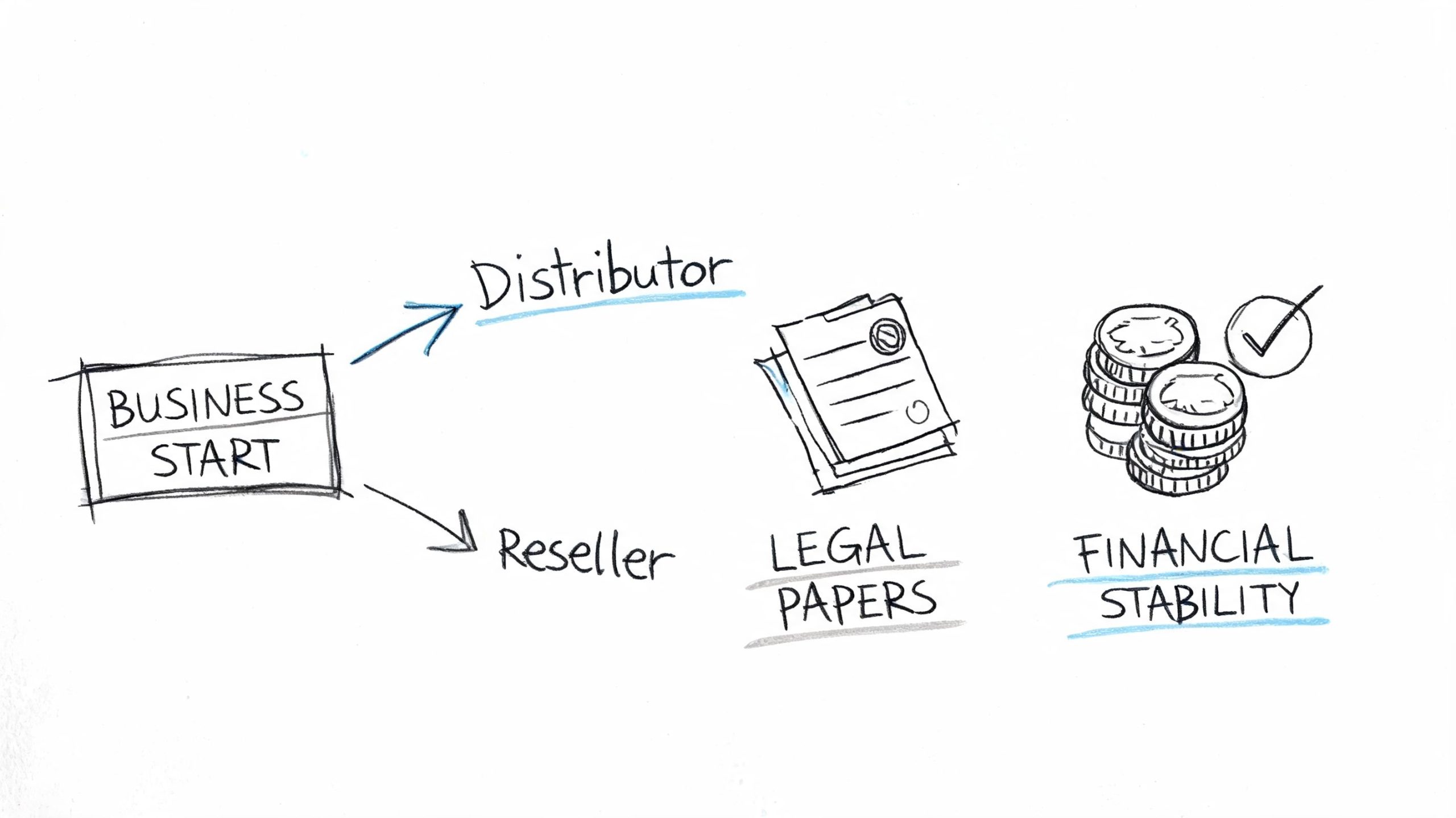
Get the legal basics done early
Even a lean wholesale operation needs clean paperwork.
Set up your business entity. Get your tax registration handled. Open a dedicated business bank account. Make sure your business name, email domain, and payment details match across your documents. Buyers and suppliers notice sloppiness fast, and they treat it as a proxy for operational risk.
If your long-term goal is larger retail accounts, build with stricter standards in mind from the start. That does not mean copying a big distributor on day one. It means avoiding amateur shortcuts now that force a rebuild later.
The working capital gap blindsides digital-first founders
This is the part many internet entrepreneurs underestimate.
A wholesale business can show a healthy margin and still get squeezed because cash timing is bad. You may need to pay a supplier before your buyer pays you. As SimplyDepo explains, that gap has to be funded, and it usually gets tougher as order volume grows.
I learned this one the hard way in product businesses. Revenue can make you feel safe. Payment timing tells you whether you are safe.
So before you chase supplier catalogs or build a polished pitch deck, map the sequence in plain English. When does cash go out. When does cash come back. What happens if a buyer pays late. What happens if a supplier requires a larger upfront order than expected. Those answers matter more than your logo.
Model Decision Filter
Use this table to pick a starting model that fits your skills and your bank account.
| Model | Best for | Main upside | Main risk |
|---|---|---|---|
| Inventory-holding wholesaler | Operators with capital and fulfillment discipline | More control over margin and customer experience | Cash gets tied up before you get paid |
| Broker or agent | Online entrepreneurs with sales and sourcing skills | Lower upfront capital requirement | Income depends on relationships and deal flow |
A few early decisions carry more weight than they seem to:
- Start narrower than feels comfortable: A tight niche makes positioning, outreach, and supplier conversations much easier.
- Separate business cash immediately: Mixed personal and business spending turns bookkeeping into a mess and hides real operating performance.
- Map payment timing before forecasting profit: Margin matters, but timing decides whether you can keep operating.
- Set limits early: Some founders should avoid importing, warehousing, or offering payment terms until the sales process is proven.
The strongest wholesale foundations are boring. Clear model. Clean setup. Tight scope. Cash discipline.
That is what gives you room to grow without getting trapped by your first few deals.
Building Your Buyer List Before You Spend a Dime
You find a supplier, the sample looks solid, the MOQ feels manageable, and the margin spreadsheet says the deal works. Two weeks later, you realize the hard part was never finding product. It was finding buyers who want it, on terms that still leave you with profit.
That mistake gets expensive fast.
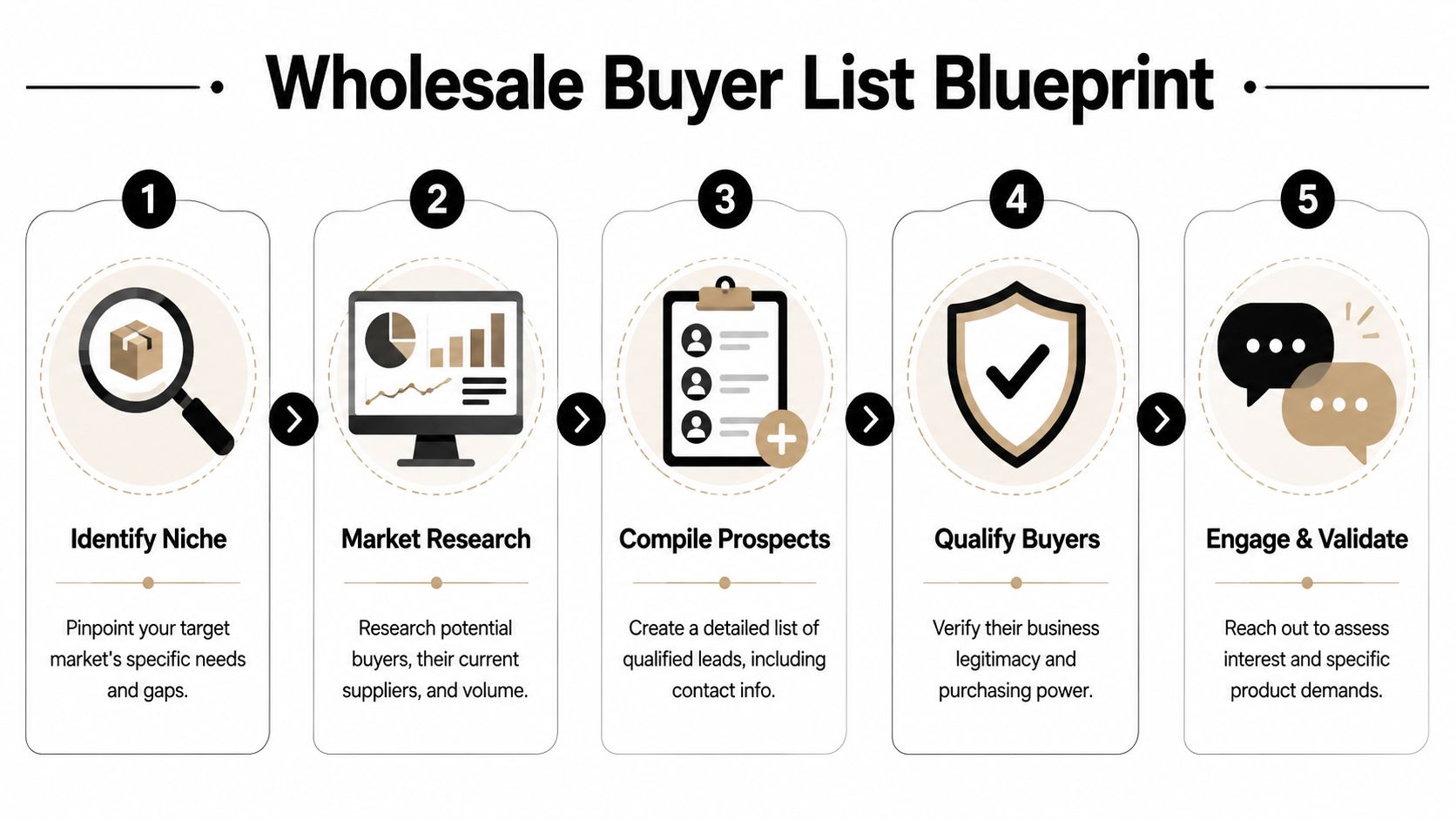
For online entrepreneurs, the capital-light path into wholesale is simple. Build the buyer side first. Use your research, outbound, and data skills to confirm demand before you commit cash to inventory, deposits, or packaging.
A buyers-first approach works because it gives you real market feedback before you take product risk. As noted earlier from the wholesaling framework by Real Estate Skills, the core principle is the same across categories: line up qualified buyers first, then match supply to demand.
Why buyers-first beats product-first
New wholesalers often get pulled in by product logic. The unit economics look good. A supplier promises strong sell-through. A sample arrives and looks market-ready.
None of that proves demand.
Buyers care about things beginners miss. Shelf fit. Packaging format. compliance requirements. Reorder cadence. Shipping expectations. Existing vendor relationships. If you buy first, every one of those issues shows up after your money is already tied up.
I learned this early. A product can be "good" and still be wrong for the market you can reach. The win comes from starting with buyer demand signals, then sourcing around them.
The buyer tiers that give you the best signal
A random lead list wastes time. Build your list around buyer types with different behaviors, order patterns, and expectations.
- Established retailers: Better for repeat orders if you can meet their onboarding, packaging, and reliability standards.
- Mid-market distributors: Useful if you can offer a clear pricing advantage or fill a gap their current suppliers are not handling well.
- D2C resellers and e-commerce operators: Often the fastest path for online founders because they move quickly, give direct feedback, and may accept smaller opening orders.
That last group is where many digital operators should start. If you already know how to prospect online, qualify leads, and run outbound, you have an edge over traditional wholesalers who rely mainly on trade show relationships.
Good buyer sources include LinkedIn, niche store directories, Amazon storefronts, industry communities, trade association member lists, and category-specific marketplaces. What matters is list quality and segmentation. This guide on building a quality lead list for cold emailing is useful for setting up that process cleanly.
What to track in your CRM
Do not settle for a spreadsheet full of names and emails. Track the details that help you decide who is worth pursuing and what kind of offer fits them.
| Buyer field | Why it matters |
|---|---|
| Product category preference | Keeps your outreach relevant |
| Average order size | Shows whether their volume fits likely supplier minimums |
| Lead time expectations | Tells you how much fulfillment pressure the account will create |
| Payment reliability | Helps you avoid buyers who create cash flow problems |
| Annual purchase volume | Helps rank serious accounts ahead of casual interest |
Add notes on packaging requirements, preferred brands, current suppliers if known, and whether the buyer has shown written interest in a category. That last detail matters more than beginners think.
A simple outreach angle that works
Skip the hard pitch. Open with operational questions that a real buyer can answer quickly.
Ask what they are actively buying now. Ask what specs matter. Ask about packaging, compliance, shipping windows, and order quantities. Ask what frustrates them about current vendors.
This does two jobs at once. It qualifies the account, and it gives you sourcing criteria you can bring to suppliers later.
Strong buyer signals look like this:
- They mention specific SKUs, materials, sizes, or product attributes
- They describe reorder frequency or purchasing cadence
- They clarify packaging, labeling, or shipping requirements
- They give realistic quantity ranges
- They confirm interest in writing
Written interest beats verbal enthusiasm every time.
At this stage, your goal is not to impress buyers with a polished catalog you do not have yet. Your goal is to collect enough market evidence that your first supplier conversations are grounded in real demand, not guesses.
Sourcing and Validating Your Suppliers
Once buyers are lined up, supplier conversations get easier because you're no longer talking in hypotheticals. You can explain what the market wants, what volume ranges buyers are discussing, and which product specs matter.
That immediately shifts your advantage.
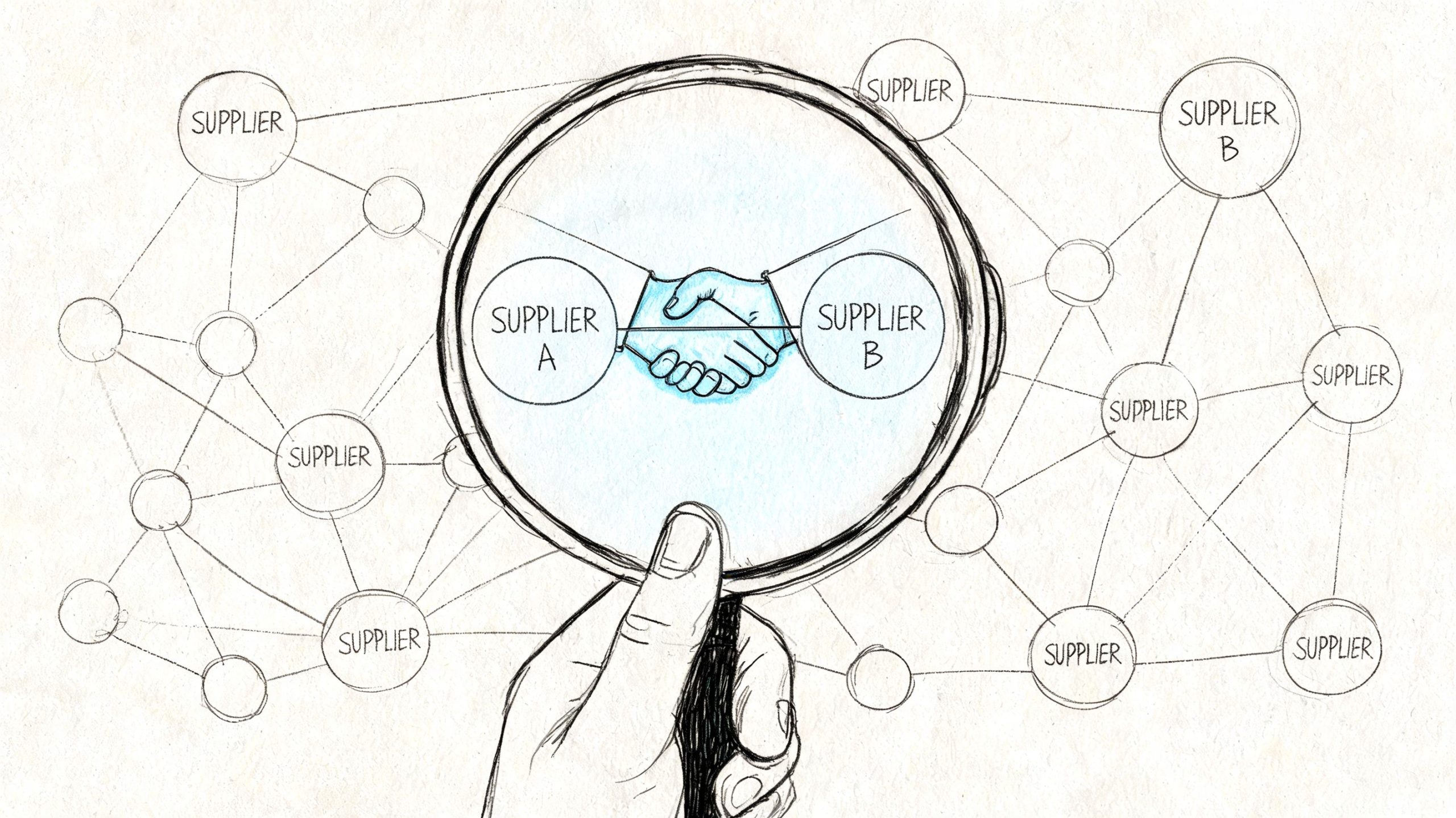
Don't optimize for the cheapest quote
Beginner wholesalers often compare suppliers like they're shopping for a commodity. Lowest unit price wins.
That's a mistake. A cheap supplier with inconsistent quality, slow replies, unstable lead times, or rigid terms usually costs more than a higher quote from a reliable partner.
A useful supplier scorecard should include:
- Location proximity: This affects shipping cost and lead time.
- Quality consistency: Samples matter. Certifications and repeatability matter more.
- Unit pricing tiers: Look at how pricing changes across different quantity breaks.
- Payment terms flexibility: A supplier willing to discuss net terms can materially improve your cash position.
- Communication quality: Slow, vague communication almost always becomes a bigger problem later.
If you're looking for a tactical guide to evaluating larger purchase opportunities, this resource on buying in bulk for resale is worth reviewing before you negotiate.
Use your buyer validation to negotiate smarter
You don't need to pretend you're a huge account. You do need to sound like someone who understands demand.
Tell suppliers what your buyers have asked for. Mention expected packaging requirements, preferred specs, and rough order patterns without overpromising. Ask whether they can support phased orders, sample runs, or adjusted MOQs tied to validated interest.
Many wholesalers use these methods to protect themselves from making poor initial deals.
According to Accio's wholesale startup guide, a critical way to assess inventory risk is the break-even calculation:
(MOQ quantity × unit cost) ÷ retail markup percentage = cash required before the first sale
That same source argues the most important mitigation is getting written purchase commitments before placing manufacturer orders.
If a supplier wants a large MOQ and your buyer interest is vague, you don't have a wholesale opportunity yet. You have a gamble.
A practical validation sequence
I'd validate suppliers in this order:
- Request samples first. Don't negotiate aggressively on a product you haven't touched or tested.
- Review response quality. Slow replies and vague answers are signals, not annoyances.
- Ask about MOQ flexibility. Your pre-validated buyer list gives you a reason to ask.
- Check consistency. Ask whether the same quality level holds across future production runs.
- Clarify payment terms. Even small changes in terms can change whether a deal works.
This walkthrough helps frame the sourcing side visually and tactically:
Domestic versus overseas suppliers
There's no universal winner here. Domestic suppliers can simplify communication and reduce shipping complexity. Overseas suppliers can open up better pricing or a wider catalog.
The right choice depends on your buyer expectations. If your accounts care about speed and consistency more than absolute price, domestic options may fit better. If they're buying on cost and can accept longer lead times, overseas sourcing can work.
Field note: The best supplier isn't the one with the best first quote. It's the one that can still perform when your orders get larger, your buyers get pickier, and one shipment matters more than the last five combined.
That's the standard to use.
Pricing Profits and Essential KPIs
A new wholesaler lands the first few orders, quotes aggressively to win them, then realizes the account is eating cash. The product margin looked fine. Freight, small-order handling, payment delays, and one replacement shipment killed the profit.
That mistake is common online because digital founders are used to cleaner unit economics. Wholesale is messier. A deal can look good in a spreadsheet and still turn into a weak account if the buyer is hard to service or slow to pay.
Start with margin that can survive real-world friction
Set pricing around the business you want to run, not the deal you want to win.
According to Spider Strategies' wholesale trade KPI benchmarks, efficient wholesalers target a gross margin of 20 to 30 percent, while performance below 15 percent can point to operational problems. The same benchmark also highlights strong ranges for sales growth, inventory turnover, order fill rate, and Days Sales Outstanding.
Those numbers matter because wholesale has more hidden drag than new operators expect. Carton fees show up. A buyer wants split shipments. A supplier misses spec and you absorb the cleanup. If your margin only works in the best-case version of the order, your pricing is too low.
I learned this early with small wholesale accounts that looked attractive on paper. The buyers were real, the orders were real, and the cash conversion was terrible. Revenue went up while the room for mistakes disappeared.
Track the few KPIs that change decisions
Skip the vanity dashboard. Track the numbers that tell you whether each new order makes the business stronger or more fragile.
| KPI | What it tells you | Healthy benchmark |
|---|---|---|
| Gross margin | Whether pricing and purchasing leave enough room to operate | 20 to 30 percent per the benchmark |
| Inventory turnover | Whether stock is moving at a healthy pace or tying up cash | 8 to 12 times per year per the same source |
| Order fill rate | Whether buyers receive what they ordered without avoidable shortages | Above 95 percent per the same source |
| DSO | How long receivables sit before they become cash | Under 45 days per the same source |
For online entrepreneurs, these KPIs matter even more because the usual capital-light advantage disappears fast when cash gets trapped in inventory or receivables. A wholesale business can tolerate a thin month. It struggles when margin slips, stock slows, and collections stretch at the same time.
Price the whole order, not just the product
Strong operators quote with the full transaction in mind. That includes freight, pick-and-pack labor, packaging standards, payment terms, expected reorder cadence, and how much account management the buyer will require.
Some accounts should get volume-based pricing because they buy predictably and create little operational friction. Some should pay more because they order in awkward quantities, ask for frequent exceptions, or stretch terms. Big buyers are not always good buyers.
Shipping is one of the easiest places to misprice a deal, especially for founders entering wholesale from ecommerce. If you have not built freight into your model yet, review these shipping rate comparisons for UPS, FedEx, and USPS before you lock in price tiers.
Collections matter just as much as margin. For anyone tightening receivables and payables controls, this guide with financial management advice from ConversorSEPA is a useful companion.
Warning signs that pricing is slipping
These problems show up before the P&L gets ugly:
- Special pricing becomes routine. Buyers learn that your list price is negotiable and your margin erodes one exception at a time.
- Turnover slows while sales activity looks busy. You are probably carrying the wrong SKUs or buying too deep to chase supplier pricing.
- DSO keeps stretching. Revenue is booked, but the cash is late and your next purchase order gets harder to fund.
- Fill rate drops. Sales gets the credit for opening the account, but operations decides whether the account stays.
A wholesale business rarely breaks from one bad order. It gets weaker through a pattern of acceptable-looking deals that never leave enough room. Price for durability, watch the four numbers above every month, and cut bad accounts faster than your ego wants to.
Mastering Wholesale Logistics and Operations
A lot of online founders get their first wholesale PO and assume the hard part is over. Then the buyer asks for carton labels, delivery windows, packing details, and an invoice that matches the PO exactly. That is the point where a side hustle either starts looking like a real supplier or falls apart.
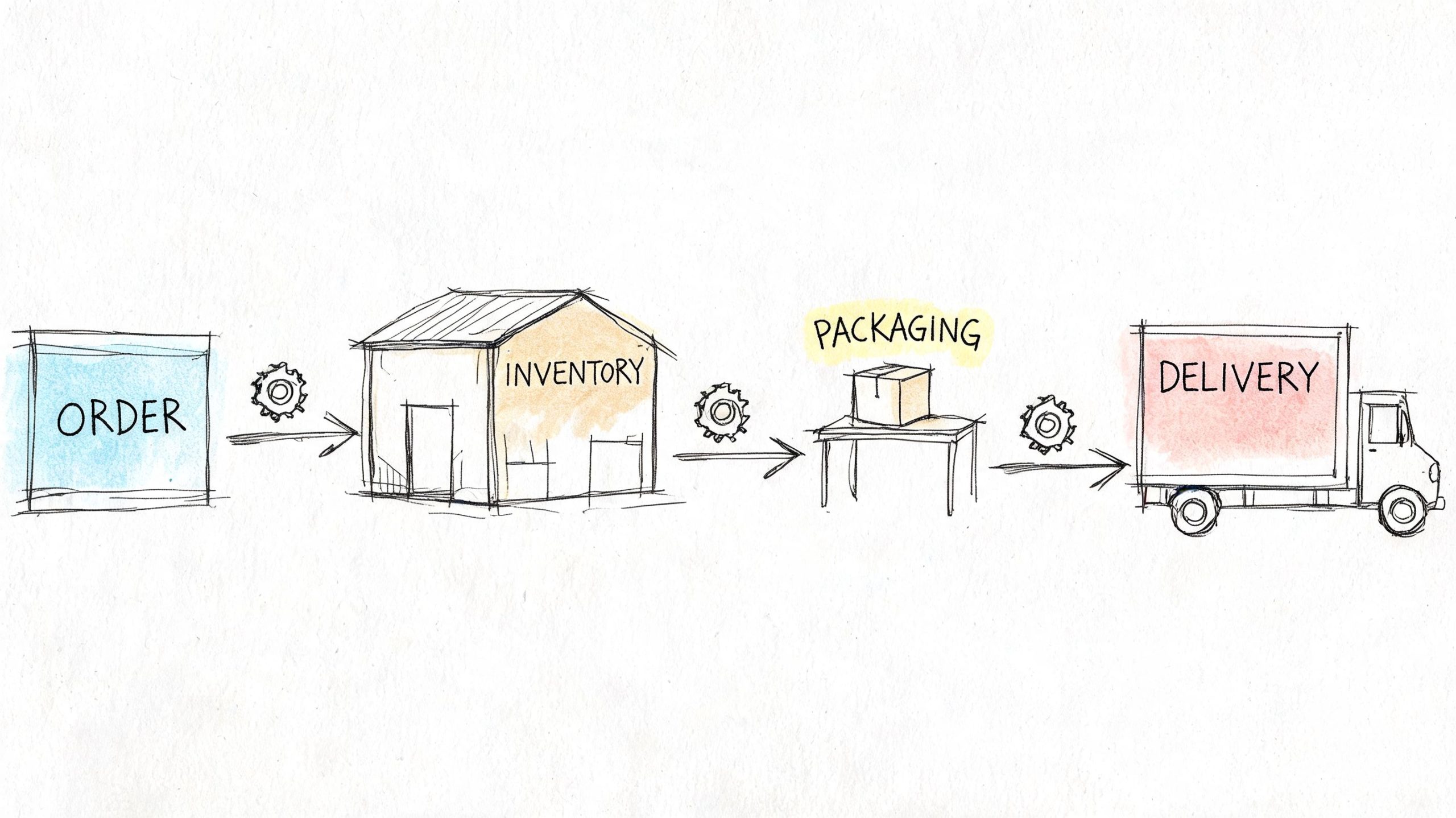
Operations is where reorder revenue gets protected. Buyers rarely give extra credit for effort. They care that the shipment arrives on time, the counts are right, the paperwork is clean, and nobody has to chase you for updates.
Build the workflow before volume arrives
Wholesale gets messy fast if each order lives in email threads and memory. Set a repeatable flow before you start stacking accounts.
A practical workflow looks like this:
- Receive the PO
- Confirm quantities, pricing, terms, and ship date in writing
- Reserve stock or place the supplier order
- Prepare labels, packaging, and shipment documents
- Ship and send tracking or delivery confirmation
- Invoice right away
- Log any issue, then follow up for the next order
I learned this the hard way. A buyer can forgive a late reply once. They usually do not forgive mislabeled cartons, partial shipments with no warning, or invoices that force their team to reconcile your mistakes.
Large accounts screen for operational maturity
Supplying independent stores is one thing. Supplying larger retailers is a different standard.
If you want those accounts, expect requirements around business registration, barcode setup, product identifiers, routing instructions, and documented capacity. Retail buyers are not only evaluating the product. They are judging whether your business can ship correctly without creating work for their warehouse and accounting teams.
That filters out a lot of newer operators. The product is often fine. The process is not.
For online entrepreneurs, this is good news. You do not need decades in distribution to compete. You need tighter systems than the founder who is still running orders from spreadsheets, inbox searches, and last-minute packing decisions.
Your tool stack should prevent avoidable mistakes
Do not overbuy software early. Do buy enough structure that orders, stock, and customer communication stay aligned.
A lean setup usually includes:
- Inventory tracking: So available stock is visible before you promise it
- Order and invoicing software: So billing is accurate and fast
- An account tracker or CRM: So terms, contacts, and reorder notes stay in one place
- Shipping comparison tools: So freight and parcel choices match the order instead of habit
Freight can erase margin faster than founders expect, especially if you came from DTC and are used to smaller parcels. Before you standardize carriers, review this comparison of the cheapest shipping options across UPS, FedEx, and USPS and match the service to the shipment profile.
If fulfillment already feels chaotic at low volume, higher volume will not fix it. It will expose it.
The operating habits buyers notice
Strong operators are usually boring in the best way. They make the same good decisions every order.
Focus on these habits:
- Confirm every key detail in writing. Verbal agreements create preventable disputes.
- Use standard packaging and labeling rules. Consistency makes receiving easier for the buyer.
- Flag shortages or delays early. Buyers hate surprises more than bad news.
- Invoice as soon as the shipment goes out. Delayed invoicing slows cash collection for no reason.
- Track every exception. Returns, mispicks, chargebacks, and short shipments show where the process breaks.
That last point matters more than people think. One bad shipment is a problem. The same bad shipment pattern across ten orders is an operating flaw.
Wholesale buyers do not need excitement. They need a supplier who is easy to trust, easy to reorder from, and hard to replace. In practice, that often beats a competitor with a better catalog and worse execution.
Scaling Your Wholesale Operation
Early wholesale success creates a tempting distraction. You get a few wins, then start chasing every adjacent opportunity.
That's usually where momentum gets diluted.
The better way to scale is to go deeper before you go wider. Look at the buyers who reorder cleanly, the products that move without constant friction, and the supplier relationships that stay dependable under pressure. Then expand from those foundations.
Scale with concentration first
A healthy wholesale business usually grows by tightening focus around what's already working.
If one category gets fast reorder behavior and low support burden, add adjacent SKUs that fit that same buyer. If one supplier consistently performs, look for additional lines they can support. If a specific buyer segment is easier to serve, build more offers around that segment instead of trying to sell everyone.
Internet-first founders can outperform traditional operators. You already know how to use feedback loops. Use account data, reorder behavior, margin quality, and operational friction to decide what deserves more attention.
Move from transactions to strategic relationships
Upside in wholesale shows up when you stop acting like a one-off seller and start acting like infrastructure for your buyers.
That can mean better forecasting conversations, exclusive arrangements, or custom packaging and product configurations that make you harder to replace. In some niches, private label opportunities appear after you've earned trust and understand what buyers require. In others, the growth move involves becoming the easiest account in a buyer's vendor stack to work with.
A few ways to scale without getting sloppy:
- Add products that fit existing demand: Don't bolt on unrelated categories.
- Deepen supplier relationships: Better terms and priority usually come after consistency.
- Use buyer feedback as product research: Your customers will tell you what to add if you listen carefully.
- Protect operational quality while growing: Growth that breaks fulfillment isn't real progress.
The wholesalers who last usually aren't the loudest or the flashiest. They're the ones who build a reliable machine, protect cash flow, and keep becoming more useful to both sides of the deal.
If you want more operator-level breakdowns like this, plus practical resources for building scalable internet businesses, check out EntreResource.