

A stripped screw is one where the head is damaged enough that your screwdriver bit can’t grip. The goal is to start with the least aggressive method, then “level up” only if needed.
Affiliate disclosure: This post contains affiliate links. If you buy through them, I may earn a small commission at no extra cost to you.
Tools to grab first
You don’t need all of these, but having 2–3 on hand makes this easy:
- Correct screwdriver bits (fresh/new if possible)
- Rubber band (wide + thick)
- Locking pliers (Vise-Grips)
- Hammer (for tapping / impact driver)
- Drill (variable speed)
- Screw extractor kit (recommended below)
- Optional: penetrating oil (for rusted screws)
Do this before trying to remove it (seriously)
These quick steps prevent you from stripping it even more:
- Use the correct bit and seat it fully. A slightly-wrong Phillips/Torx/hex will cam-out and chew the head.
- Clean the screw head. Remove paint, rust, gunk so your bit can sit deeper.
- Apply firm, straight pressure. Don’t tilt the tool.
- If it’s stuck from rust/corrosion: add penetrating oil and wait a bit before attempting again (common recommendation in many DIY guides, including Home Depot’s stripped screw guide).
7 ways to remove a stripped screw (start at #1 and escalate)
1) Rubber band method (fastest “cheap fix”)
Best for: lightly stripped Phillips screws
Steps
- Place a wide rubber band over the screw head.
- Press your screwdriver into the head hard so the rubber fills gaps.
- Turn slowly while maintaining strong downward pressure.
This is a classic traction trick—here’s the version from Family Handyman.
2) Tap the bit in with a hammer (re-seats the bite)
Best for: screws that are starting to strip, or stuck under paint
Steps
- Insert the correct bit into the head.
- Tap the handle with a hammer a few times to help the bit seat deeper.
- Try removing by hand, slowly.
If you can’t get a bite with normal pressure, this can help “reset” the engagement.
3) Locking pliers (if the head is sticking up at all)
Best for: screw head is not flush / you can grab it
Steps
- Clamp locking pliers onto the head as tight as possible.
- Rock slightly back and forth to break resistance.
- Twist counterclockwise and remove.
If you can clamp it, this method is often ridiculously effective.
4) Switch to a larger bit (or a different bit style)
Best for: Phillips heads that are rounded out
Sometimes moving one size up (or switching from Phillips to a snug-fitting square/torx bit if it seats) gives you fresh edges to grab.
Tip: Do this by hand first before using a drill.
5) Cut a flathead slot (Dremel/rotary tool “reset”)
Best for: heads that are too far gone for their original bit style
Steps
- Use a cutting wheel to cut a single straight slot across the head.
- Use a large flathead that fits snugly.
- Push down hard and turn slowly.
This turns a destroyed Phillips into a clean “new” flathead.
6) Use a manual impact driver (best for seized screws)
Best for: stuck screws where the bit keeps slipping
A manual impact driver converts a hammer strike into downward force + twist, which helps keep the bit seated while breaking the screw loose. See a practical explanation from Autoweek and step-style instructions from Traeger Support.
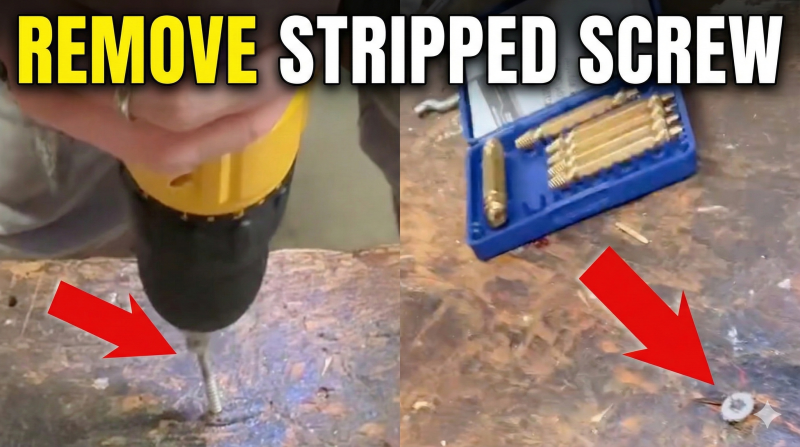
7) Drill + screw extractor (most reliable “I’m done messing around” method)
Best for: fully stripped / rounded screws, recessed screws, stubborn hardware
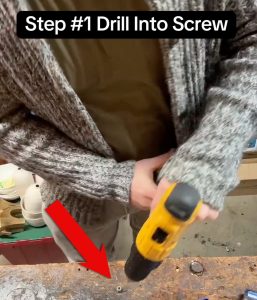
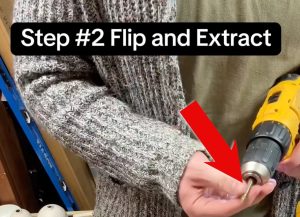
This is the method pros use when the head is toast. Most extractor sets work by drilling a small pilot, then the extractor bites using reverse-thread action (simple overview in RS Components’ screw extractor guide). Home Depot also recommends stepping up to an extractor if reverse drilling alone doesn’t remove it (Home Depot guide).
Basic steps
- Choose the extractor size that matches the screw.
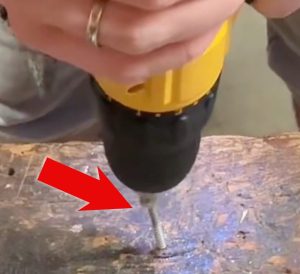
- Drill a centered pilot (low speed).
- Switch to the extractor side, keep the drill in reverse, and apply steady pressure.
- Once it bites, keep it slow and controlled until it backs out.
Recommended tool (the “just get it out” option)
If you want the easiest path when the screw head is already mangled, grab a screw extractor kit and skip the trial-and-error.
Where it fits in this tutorial: Use it with Method #7 (pilot hole → reverse extractor bite → slow removal).
FAQs (SEO-friendly)
Why do screws strip so easily?
Most often: wrong bit size, worn bits, using a drill too fast, or not pushing straight down.
Should I use a drill to remove a stripped screw?
Only if you can control speed and pressure. Many guides recommend trying low-speed reverse drilling first, then moving to an extractor if needed (see Home Depot).
What’s the best method for a stripped screw in a recessed hole?
A screw extractor is usually the best bet because pliers can’t grip the head and rubber band tricks often fail when the head is deeply recessed (see RS Components).
What if the screw extractor won’t bite?
Common fixes: drill a cleaner centered pilot, go up one extractor size, reduce drill speed, and apply more downward pressure (without snapping the extractor).
If you tell me what type of screw it is (Phillips/Torx/Allen), whether the head is flush or sticking up, and what it’s in (wood/metal/plastic), I’ll tell you the best exact method order (and which ones to skip).