
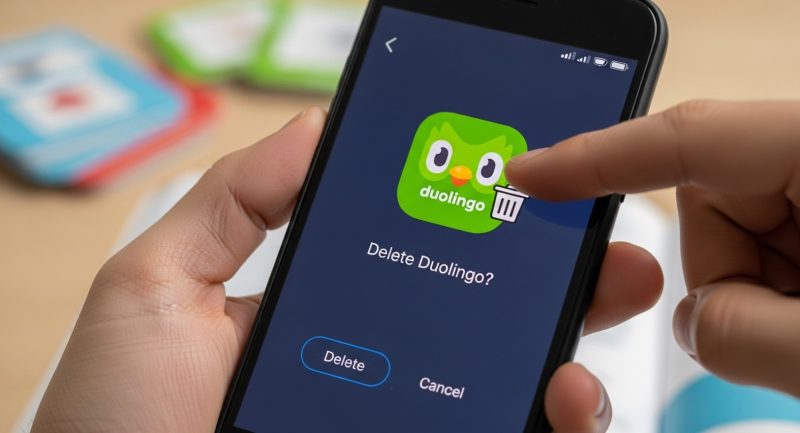
I’m the kind of person who has tried every language-learning trend since cassette tapes. Flashcards? Check. Dial-in lessons? Yep. When smartphones arrived, I joined the first wave of app junkies and, like millions, fell hard for Duolingo’s neon badges and pep talks from a cartoon owl. For a while, the daily streak felt like real momentum until it didn’t.
Early this year, I caught myself rehearsing the same stock phrases on loop while preparing for a business trip to Barcelona. Somehow, after three solid years of “practicing,” I could still freeze in a basic café order. That disconnect sent me down a rabbit hole of research, demos, and trial subscriptions. The clear winner – and the reason I finally canceled Duolingo Super – was Promova, a platform built around targeted speaking drills and live feedback rather than endless tap-to-translate games.
The Day Duolingo Stopped Feeling Enough
I spent three straight years building that chirpy green-owl streak. Every morning, before coffee, I tapped through “Translate: El gato come pescado,” earned my five gems, and posted the inevitable screenshot on X. At first, it was magical – visible progress, cute sound effects, and leaderboards. But sometime last fall, halfway through an airport conversation where I blanked on a simple verb form, it dawned on me that my high streak was not the same as high proficiency. I could recognize vocabulary in neon-colored bubbles, yet real, messy speech still froze me.
When I got home, I opened Duolingo’s “hard practice” set, hoping for a fix. What I found was another batch of disjointed sentences to tap in order, no chance to respond naturally, and no feedback on pronunciation beyond the app’s binary “ding” or “oops.” The realization stung: I had become excellent at Duolingo, not at Spanish.
That frustration pushed me to audit other tools. I tried casual conversation meet-ups, browsed Reddit threads, sampled similar platforms to Preply, and tested a handful of new apps. Then I discovered Promova, and everything I thought I knew about mobile language apps shifted.
Promova On The Test Bench (And How It Compares To Duolingo)

First, a quick note on why I even considered leaving a free app for a paid one. My goal had changed. I no longer wanted points; I wanted to hold my own in client calls across Latin America. That meant contextual speaking practice, targeted grammar repair, and content that lined up with my workday.
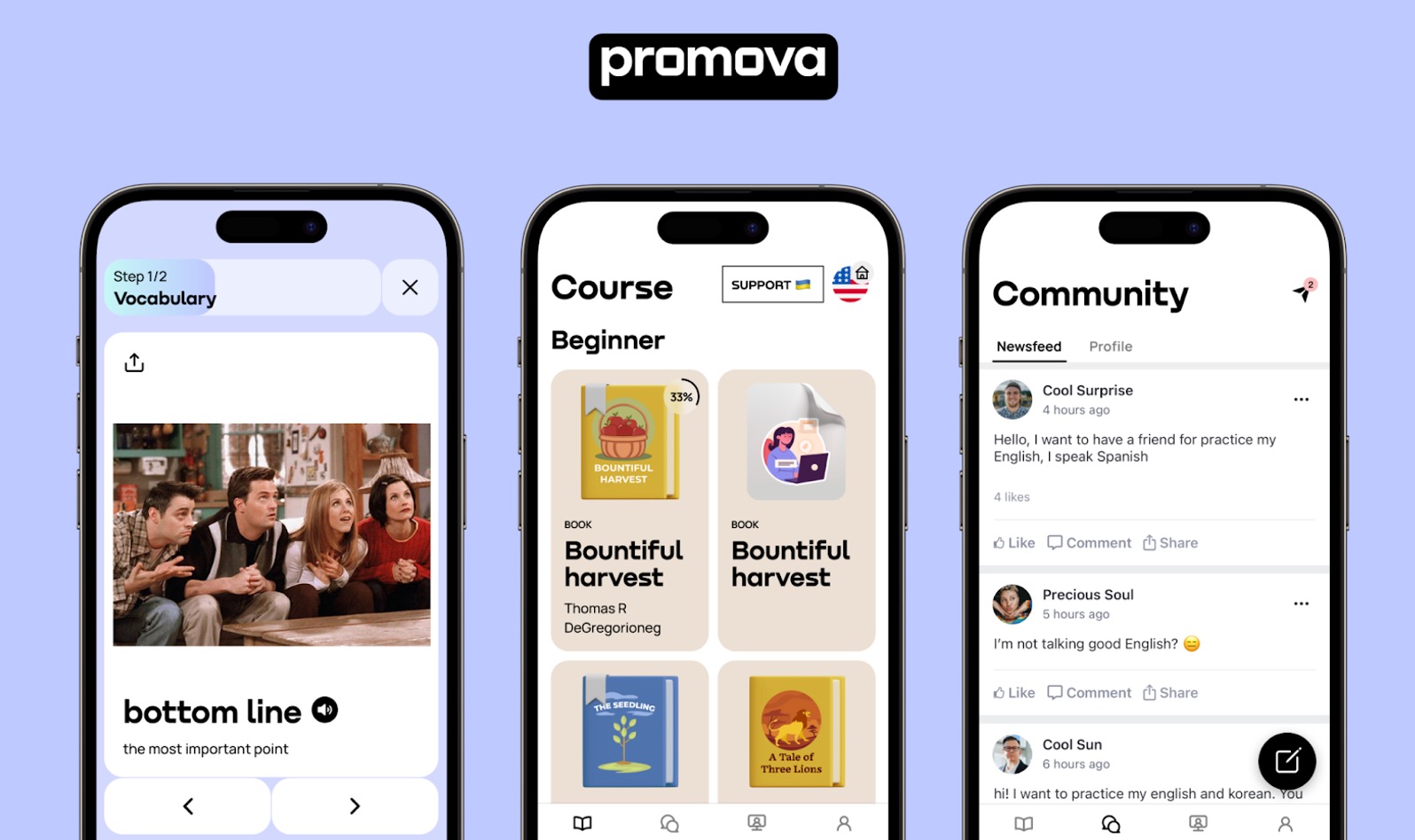
Promova’s onboarding asked me about those goals. It gave me a four-minute placement test, tagged my weak areas, and loaded a personal track titled “Spanish for Tech Sales.” Right away, I saw lesson tiles labeled “Demo Day Pitch,” “Negotiating Discounts,” and “Small Talk at Lunch.” The relevance was uncanny.
While reviewing Promova, I kept a spreadsheet – old habits die hard – logging each feature against Duolingo, Babbel, Rosetta Stone, and a few boutique marketplaces that pair you with tutors. By week two, the gap in speaking practice was glaring. Duolingo’s role-play is still limited to reading sentences aloud. Promova dropped me into AI-driven scenarios: negotiating a budget, rescheduling a flight, or explaining a minor injury at a clinic. The bot’s follow-up questions changed each time, and its feedback highlighted filler words I overused. It felt closer to improvisational theater than to flashcard drills.
Backed by Promova’s collaboration with three-time undisputed world boxing champion Oleksandr Usyk, these sessions lean heavily on his discipline-first philosophy, rewarding consistency and “showing up” over perfection. The Usyk AI tutor adds another layer, letting you speak through realistic situations with a virtual Usyk in your corner, pushing you to keep talking, embrace mistakes, and build confidence one round at a time. It was fascinating and super unusual. Really liked it!
I also tested Promova’s human angle. A Tuesday evening conversation club on “Latino workplace idioms” had six learners and a certified teacher from Bogotá. In 40 minutes, we used 10 idioms organically, the tutor corrected pronunciation, and we left with a summary file of personal errors. Duolingo’s community events are improving, but the structure and feedback lag behind.
Under the hood, Promova’s micro-lessons average four minutes. That matters. Researchers confirm that breaking material into manageable chunks reduces cognitive load and can facilitate immediate recall performance because chunking helps organize information in short‑term memory. The app’s pacing is deliberately built around that sweet spot.
Reason 1: Speaking, Not Tapping
Duolingo’s core mechanic is “tap the matching word” because it scales easily across 40+ languages. Promova inverts the model: every learning path ends with oral production. During the AI role-plays, I had to paraphrase, ask clarifying questions, and deal with unexpected detours, just like life. The system grades intonation, not just correctness, and shows a short waveform where you stumbled. After two months, my Zoom calls shifted; I no longer rehearsed lines, I spoke.
Reason 2: Feedback That Fixes Mistakes The Same Day
Duolingo shows you the right answer once and calls it done. Promova turns an error into tomorrow’s warm-up. Miss the gender agreement in “la siguiente reunión”? The next morning’s bite-sized drill starts with five examples contrasting “la” and “el” in a business context. That adaptive review echoes the classic spaced-repetition curve without burying you in flashcards.
Reason 3: Content Woven Around Real Goals
Most Duolingo lessons are theme-agnostic. You might practice travel for one hour, animals the next, then fictional phrases like “The penguin wears pajamas.” Fun, but disconnected. Promova’s catalogs are labeled by outcome – “Move Abroad,” “Customer Support English,” “Daily Korean for Exchange Students.” When lessons match intentions, motivation skyrockets. I no longer wonder, “Will I ever need this sentence?” I used half of them the same week.
Reason 4: Human Guidance Still Matters
Pre-recorded AI is brilliant for volume practice, yet subtle pronunciation tweaks sometimes need a human ear. Promova’s affordable tutor credits (some bundled free each month) let me hop into a 25-minute one-on-one, get live correction, and then feed those notes back into my self-study path. Duolingo pushes learners toward external tutoring platforms but offers no seamless bridge or synced curriculum.
Reason 5: From Gamification to Mastery Metrics
I respect Duolingo’s streak system; it kept me accountable. The problem is that the metric became the mission. Promova still tracks consistency, yet weekly reports focus on CEFR skill bands. It tells me, “You moved from B1-low to B1-mid in listening,” and shows exactly which task proved it. Progress feels concrete, not cosmetic.
But Is Canceling Duolingo Right For Everyone?

Here’s the nuance. Duolingo remains unbeatable for absolute beginners dabbling in multiple languages. It’s free, it’s entertaining, and it lowers the activation energy to open an app daily. If you’re learning casually or testing whether you enjoy a language at all, stay with the owl a while.
Promova, however, shines once you hit the infamous plateau: you understand menus and tourist chit-chat but freeze in spontaneous talk. That’s where rich context, corrective feedback, and instructor touchpoints make the overhead cost worthwhile. If your goal is a job interview abroad, a degree program, or emigrating, the time you save by practicing “for real” likely offsets Promova’s monthly fee.
A fair worry is subscription overload. I canceled Duolingo Super first, rerouted that $12.99 toward Promova’s mid-tier plan, and capped my total spend at roughly the same number. A hidden benefit: taking away the pressure of the streak set me free. No more opening Duolingo at 11:58 p.m. just to keep a cartoon bird happy.
How I Phased The Switch
- Week 1. I kept both apps. In the morning, I did Promova’s recommended four-minute lesson, and in the evening, I finished my Duolingo quests to avoid cold-turkey anxiety.
- Week 2. I attended two live conversation clubs and booked a 25-minute tutor slot. My speaking confidence spiked; Duolingo felt repetitive by contrast.
- Week 3. I exported my Duolingo vocabulary list, imported it as custom flashcards into Promova’s review tool, and let the adaptive engine handle frequency.
- Week 4. I hit “cancel subscription” inside the App Store. The streak died at 1,104 days. Oddly liberating.
The Verdict, Six Months Later
Results speak. I now lead bilingual sales demos without scripting. Colleagues note fewer filler words. The Promova progress dashboard shows C1 listening on industry jargon, up from B2-mid last quarter. More importantly, I think in Spanish during conversations instead of mentally translating.
Of course, any platform is a tool, not a magic wand. I still read news articles aloud for extra pronunciation work and schedule two real-life coffee chats a month. Promova simply provides the structure and feedback loop I was missing.
For those weighing the jump, ask yourself:
- Do you regularly leave Duolingo sessions feeling entertained but not stretched?
- Do actual conversations still drain you despite a long streak?
- Are your learning goals tied to career, study, or relocation rather than hobby curiosity?
If you nodded twice, trial Promova for two weeks. Keep Duolingo in your back pocket if you miss the dopamine hits. You may discover, as I did, that progress feels nicer than points.